Thai Prime Minister Anutin Charnvirakul said on Saturday that his country would keep up military strikes on Cambodia until it no longer felt under threat from its neighbor, telling local media there was no ceasefire in place.
Anutin wrote on Facebook that Thailand would “continue to perform military actions until we feel no more harm and threats to our land and people,” after telling reporters it was Cambodia that should first stop its attacks.
“I want to make it clear. Our actions this morning already spoke,” he said.
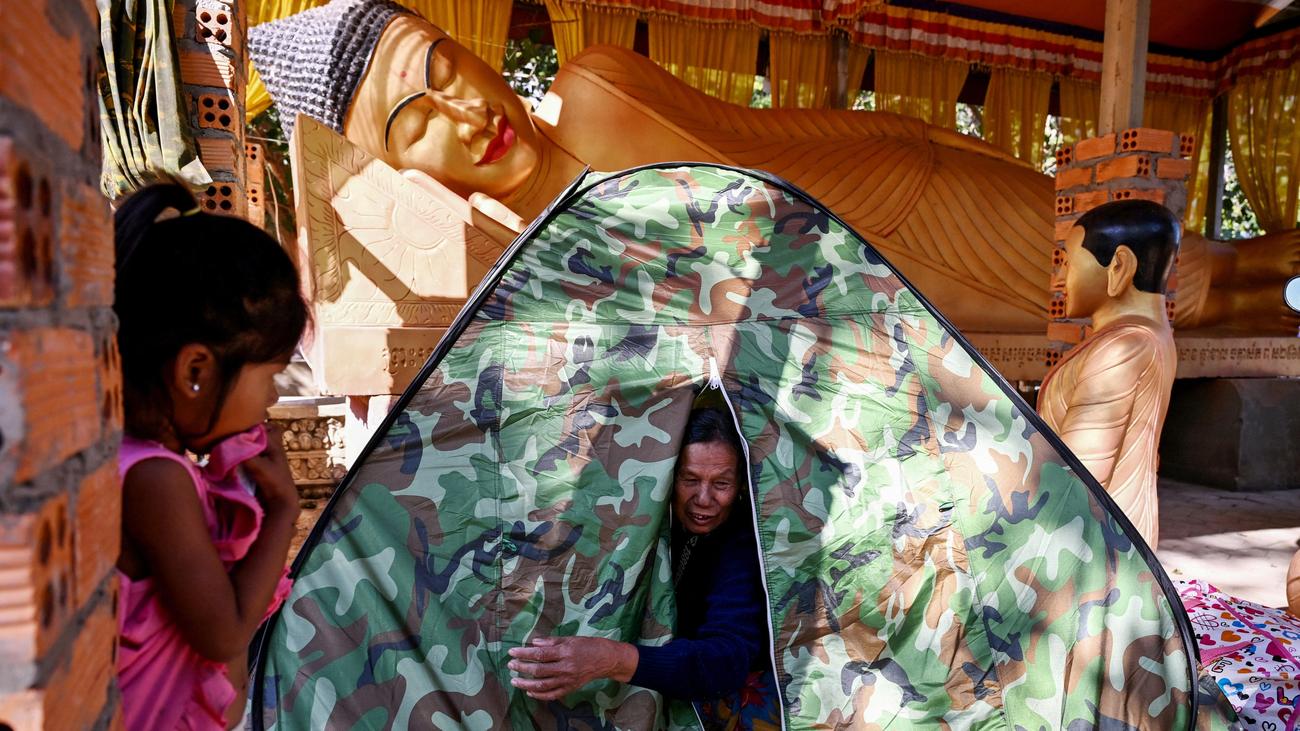
The recent cross-border clashes, which come after a long-running territorial dispute reignited this year, have displaced more than 500,000 people and killed more than 20 people, including several civilians, with hundreds more wounded, officials say.
Anutin’s statements come after US President Donald Trump on Friday said that both countries had agreed to stop fighting, following days of clashes along their shared 800 kilometer (nearly 550 mile) border.
Cambodia confirms strikes
Cambodia’s Defense Ministry also said in a post on Facebook that “Thai forces have not stopped the bombing and is still continuing the bombing.”
Its information minister, Neth Pheaktra, said Thai forces had “expanded their attacks to include civilian infrastructure and Cambodian civilians,” something denied by Thailand.
Royal Thai Air Force spokesman Chakkrit Thammavichai said Thai forces were “using high-precision weapons to prevent the damage on innocent civilians.”
Trump says ceasefire agreed in phone calls
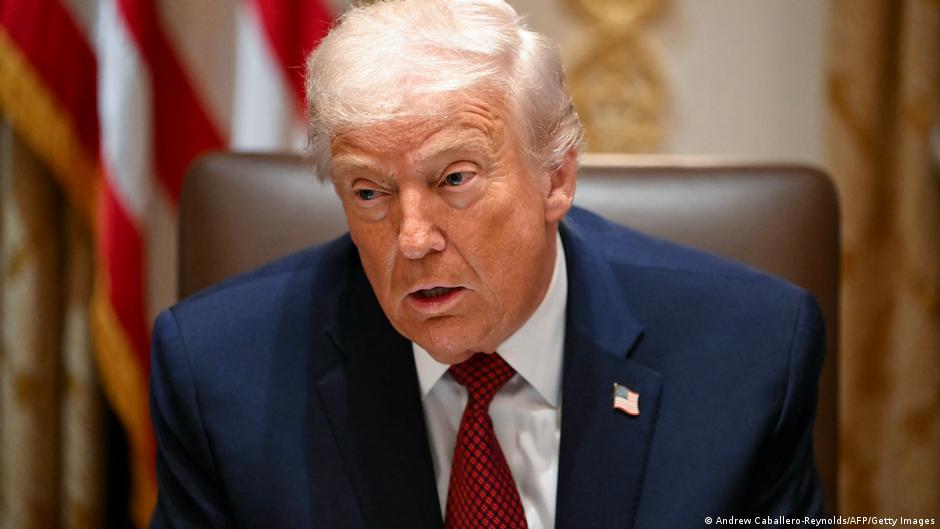
On Friday, Trump, who has been mediating in the conflict, said he had spoken by phone with Cambodian Prime Minister Hun Manet and Anutin, writing on his Truth Social platform that both leaders had agreed to a truce.
“They have agreed to CEASE all shooting effective this evening, and go back to the original Peace Accord” agreed in July, Trump wrote, describing the call as a “very good conversation.”
After the call, Anutin said Cambodia was “going to comply with the ceasefire”, adding: “The one who violated the agreement needs to fix [the situation].”
Cambodia’s Hun Manet said his country “has always been adhering to peaceful means for dispute resolutions.”
Long-running Thai-Cambodian border dispute
A ceasefire was brokered in July by the US, China and Malaysia after five days of clashes, which was followed by a declaration by the warring parties to prolong the truce.
However, the agreement was suspended in November after landmines injured Thai soldiers at the border.
The border dispute dates back to the 1950s, shortly after Cambodia gained independence from France, and first centered on the disputed ownership of the ancient Hindu Preah Vihear temple before enlarging to include other border areas.
Edited by: Wesley Rahn