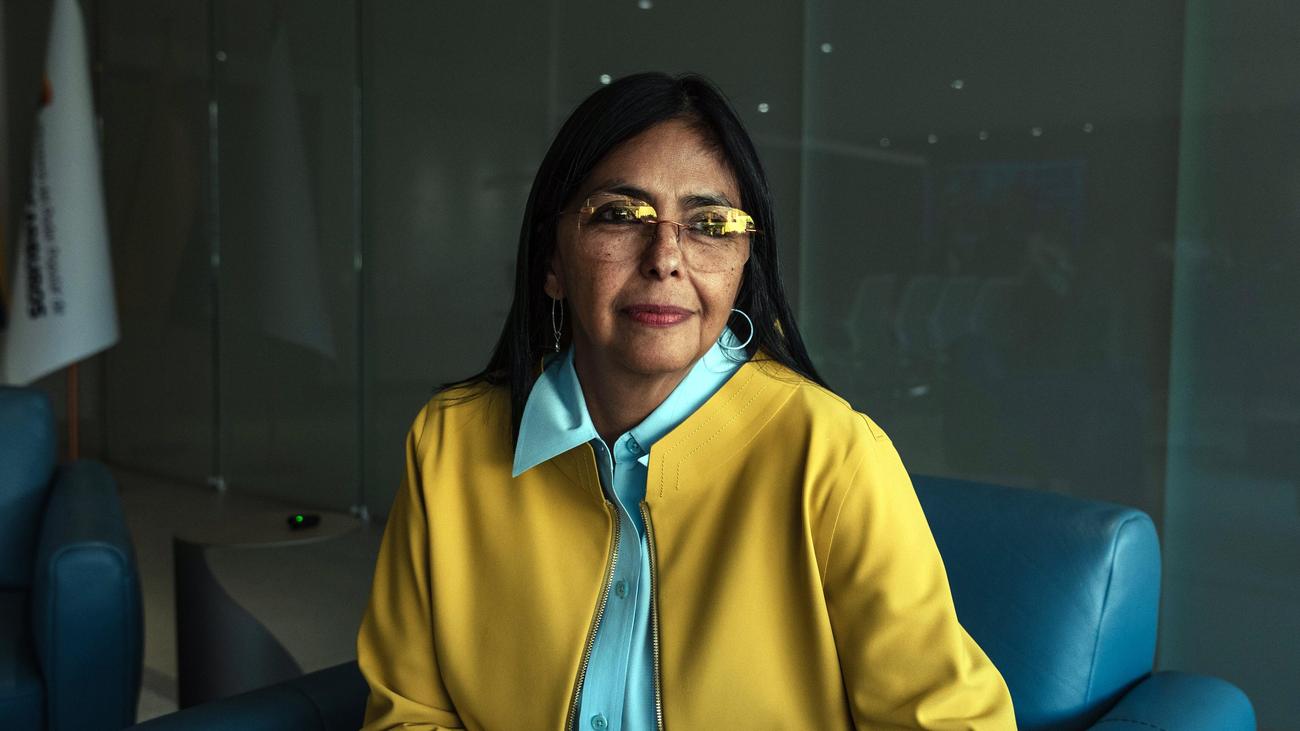
Delcy Rodríguez, the acting president of Venezuela, asked the US to work with her country, striking a more conciliatory tone toward the Trump administration after her initial outrage at the capture of President Nicolás Maduro.
“We extend an invitation to the US government to work together on a cooperation agenda, aimed at shared development, within the framework of international law, and to strengthen lasting community coexistence,” she said in a statement released late on Sunday.
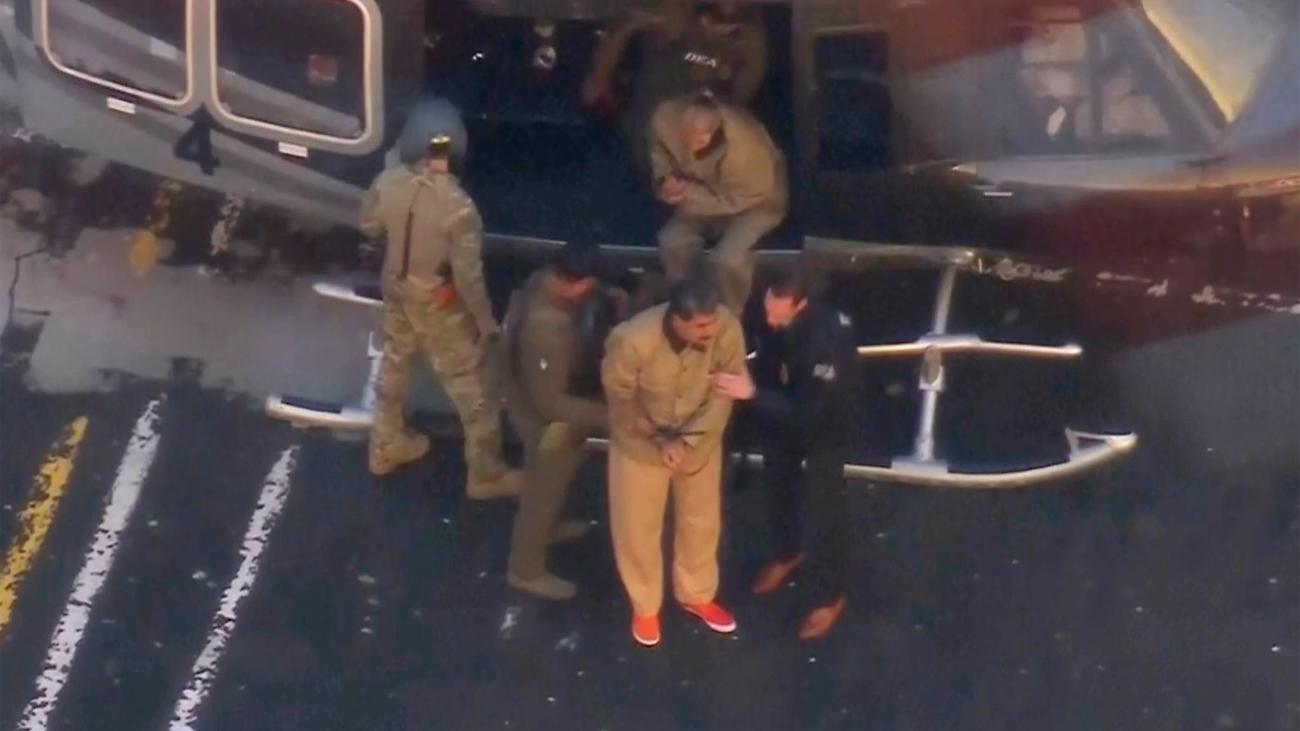
It’s a sharp turnaround from the remarks she made in the hours after US forces snatched Maduro on Saturday and launched a series of targeted strikes in the capital and nearby cities. Her initial statements denounced the actions and called for Maduro’s return.
After the operation, President Donald Trump said a team of US officials will “run” the country and that Rodríguez would work alongside them.
On Sunday, Trump told the Atlantic magazine that some rebuilding will be needed in Venezuela as he issued a warning to Rodríguez. “If she doesn’t do what’s right, she is going to pay a very big price, probably bigger than Maduro,” he said. However, Secretary of State Marco Rubio said the US would watch her actions more than her rhetoric.
Speaking to reporters aboard Air Force One, Trump reiterated to reporters that the US needed “total access” to oil to rebuild the country. He also said Rodríguez’s characterization of Maduro’s capture a kidnapping wasn’t “a bad term.”
Rodríguez is a former oil minister and well versed in the challenges of operating state producer Petróleos de Venezuela SA and working with international firms. But Trump’s vision to boost production from the country is a daunting and expensive task.
While Rodríguez’s statement late Sunday could be a sign she’s ready to cooperate with Trump, it may also raise the hackles of hard-liners within her government who for years have viewed the US as an imperialist threat — and who viewed Maduro’s capture as a violation of national sovereignty.
Rodríguez will face a test of her hold on power in the country on Monday, when a new group of lawmakers are sworn in at the National Assembly. There is confusion about whether a formal swearing-in ceremony is required for her, according to two lawmakers, who asked not to be identified to avoid repercussions.
For now, Maduro’s status is being treated by Venezuelan officials as a temporary forced absence, and he’s still being called the president in state media. Maduro is due to appear in a New York courtroom on Monday.
This article was generated from an automated news agency feed without modifications to text.